Israel's Good Name

Outskirts of Elkana

In Israel, Samaria on January 20, 2026 at 11:10 PM

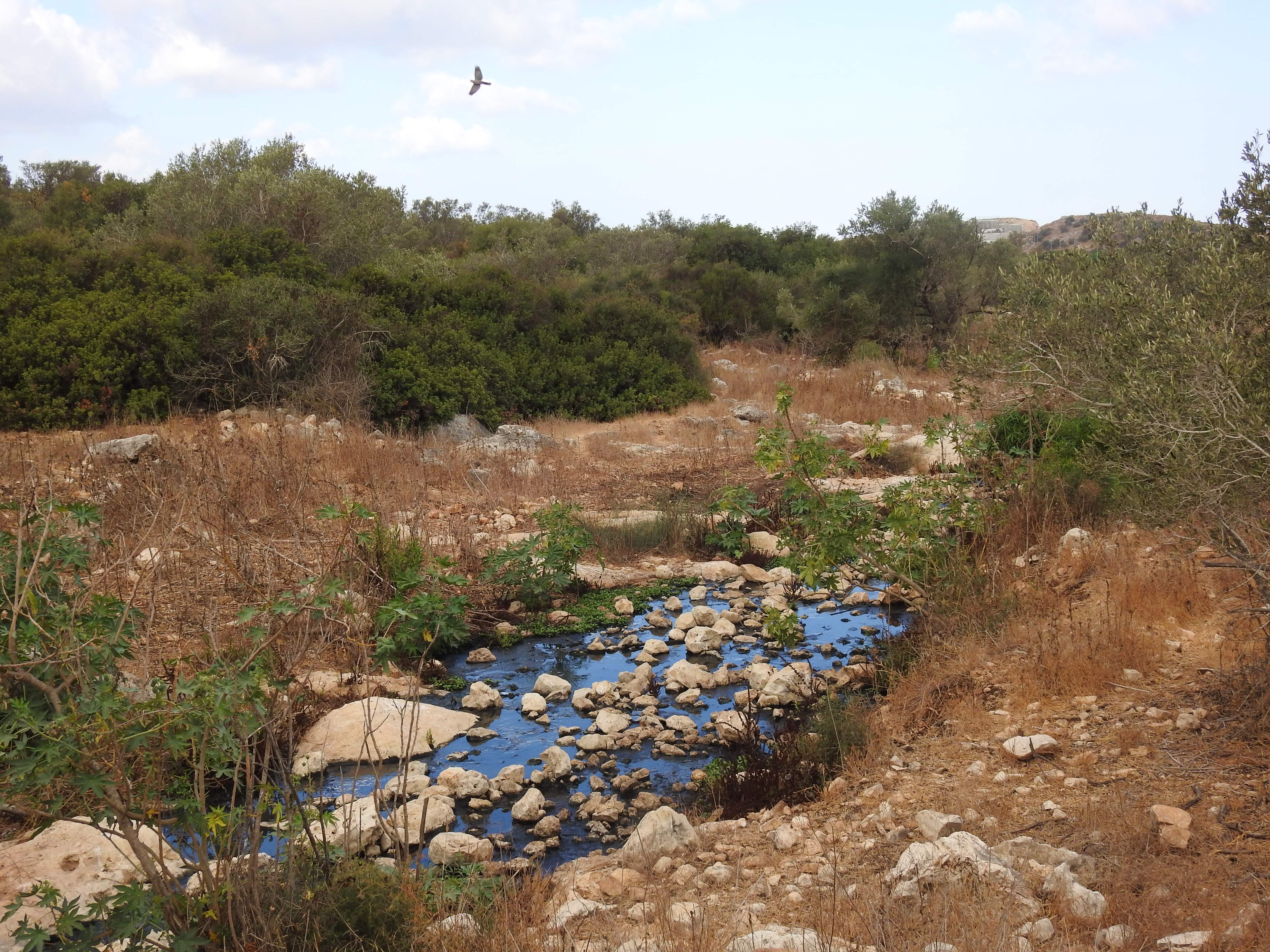
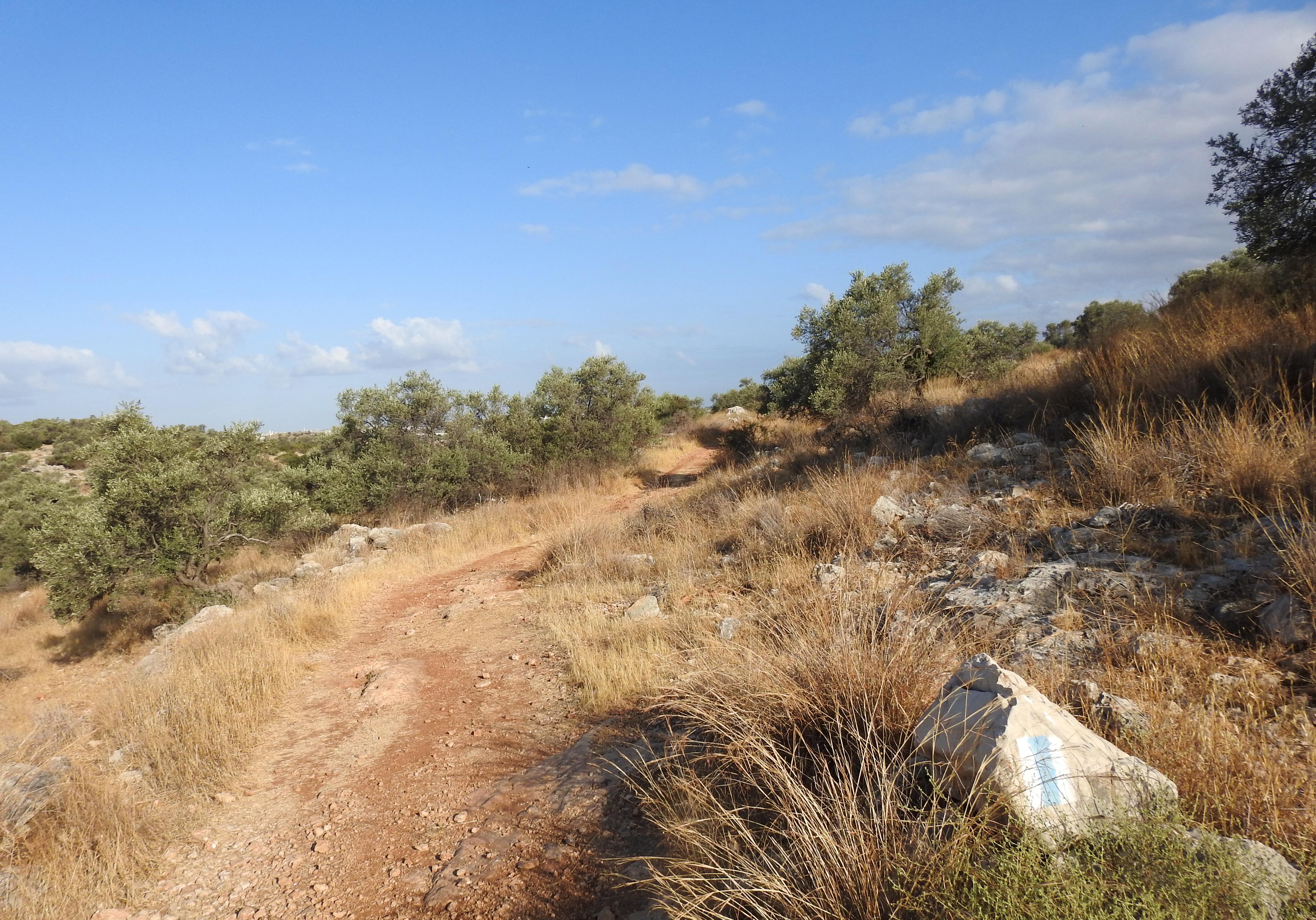
The final chapter in the adventures of summer 2025 took place closest to home, just outside the security fence of Elkana, about 500 metres from our front door. Being at the edge of the Shomron (Samaria), the topography is of low stony hills with a fair amount of short greenery, much of which turns golden brown in the heat of the summer. I invited steadfast travel partner Adam along to explore the open land just west of Elkana, where a questionable blackwater stream flows between the gentle hills.

Blackwater stream flowing west

Having explored a bit of the area closest to us over the months of operating a trail camera, I had a rough idea of how to make the most of our chosen Friday morning, the first day of August. My initial plan was to hike parallel to the stream for as long as we could, and then cross over and hike back on the other side. Little did I know, there was much to see along the way, and a whole lot more that was left yet-unexplored for another time, whenever that may be.

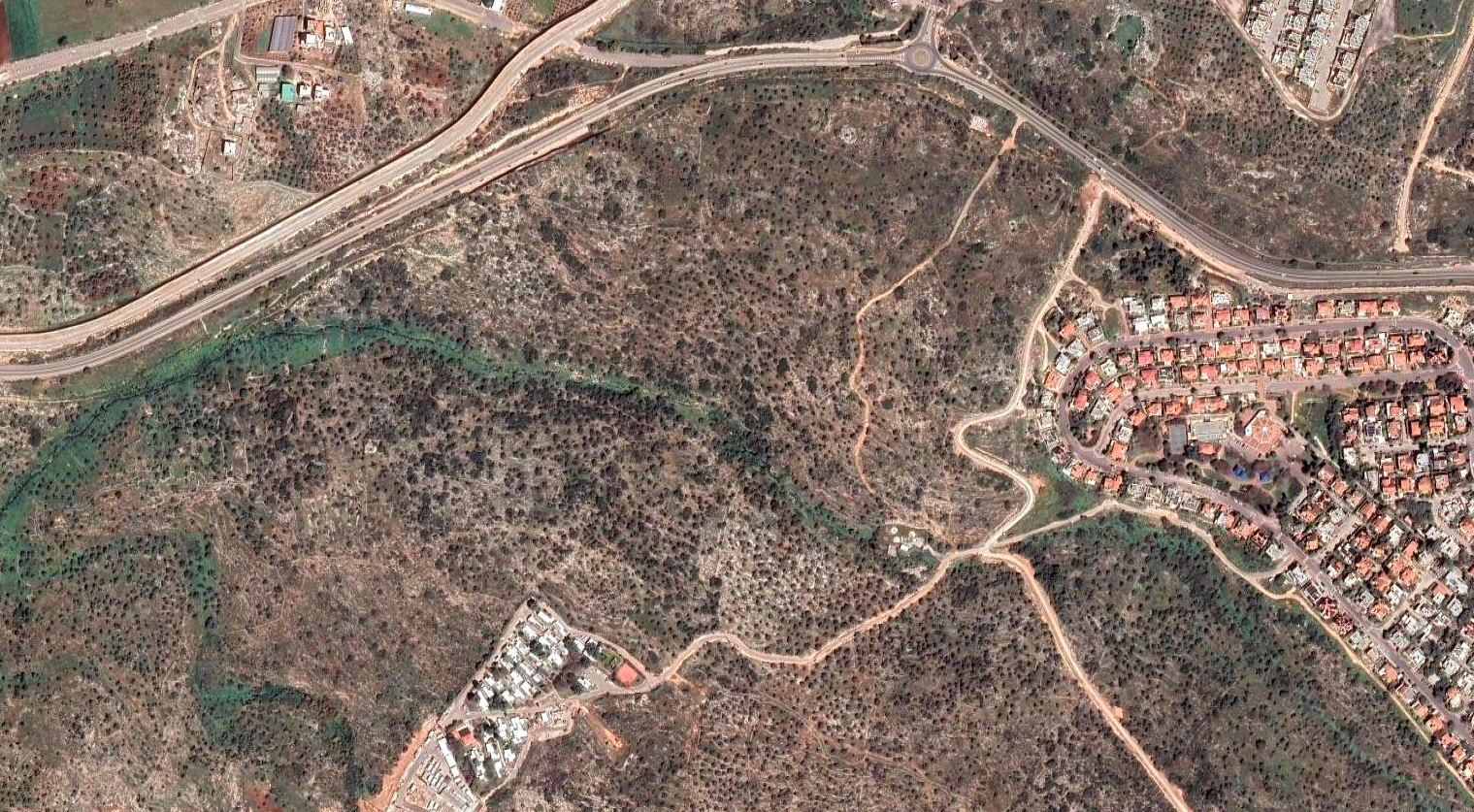
Aerial map of the region with Elkana to the right (photo Google Maps)

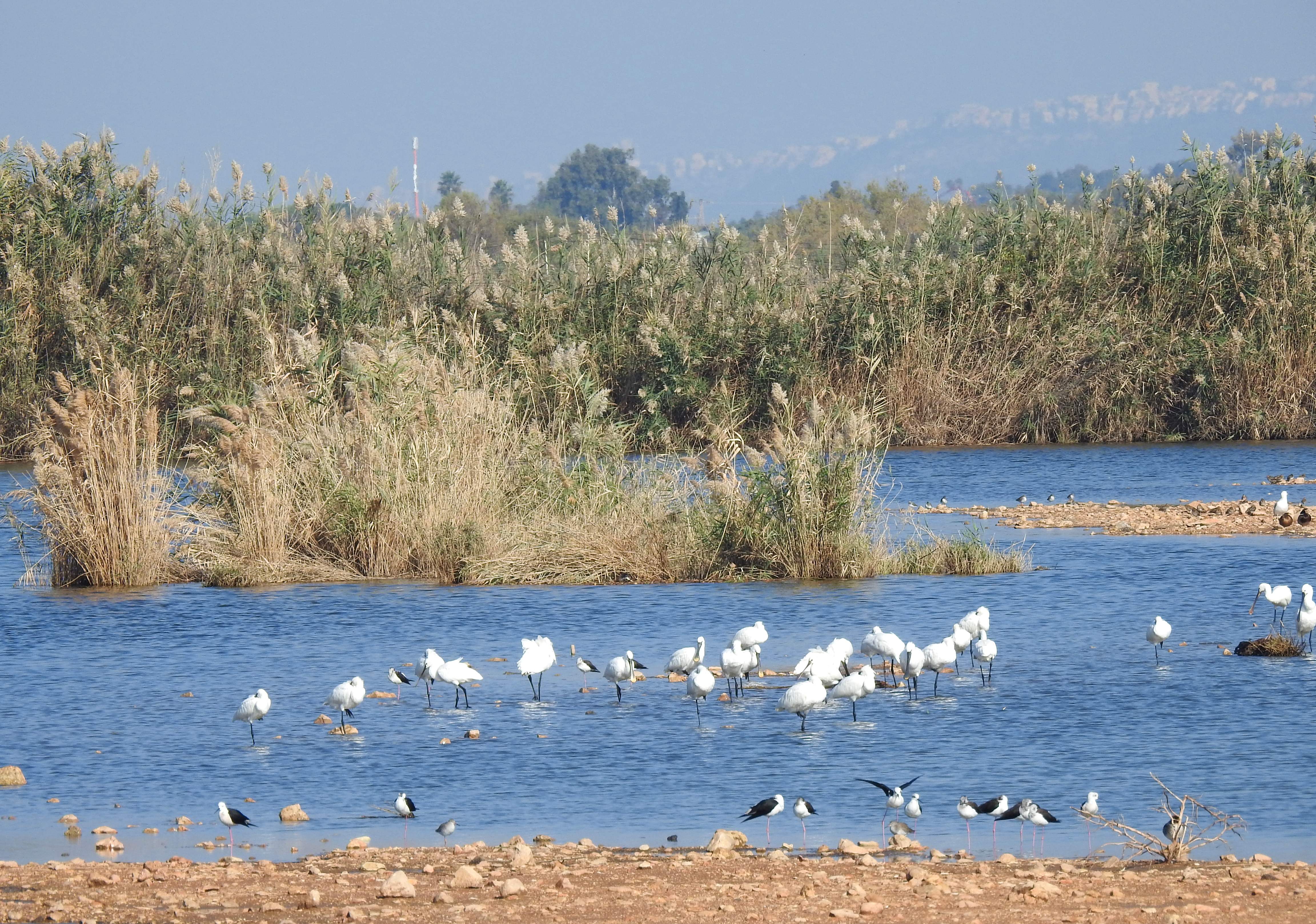
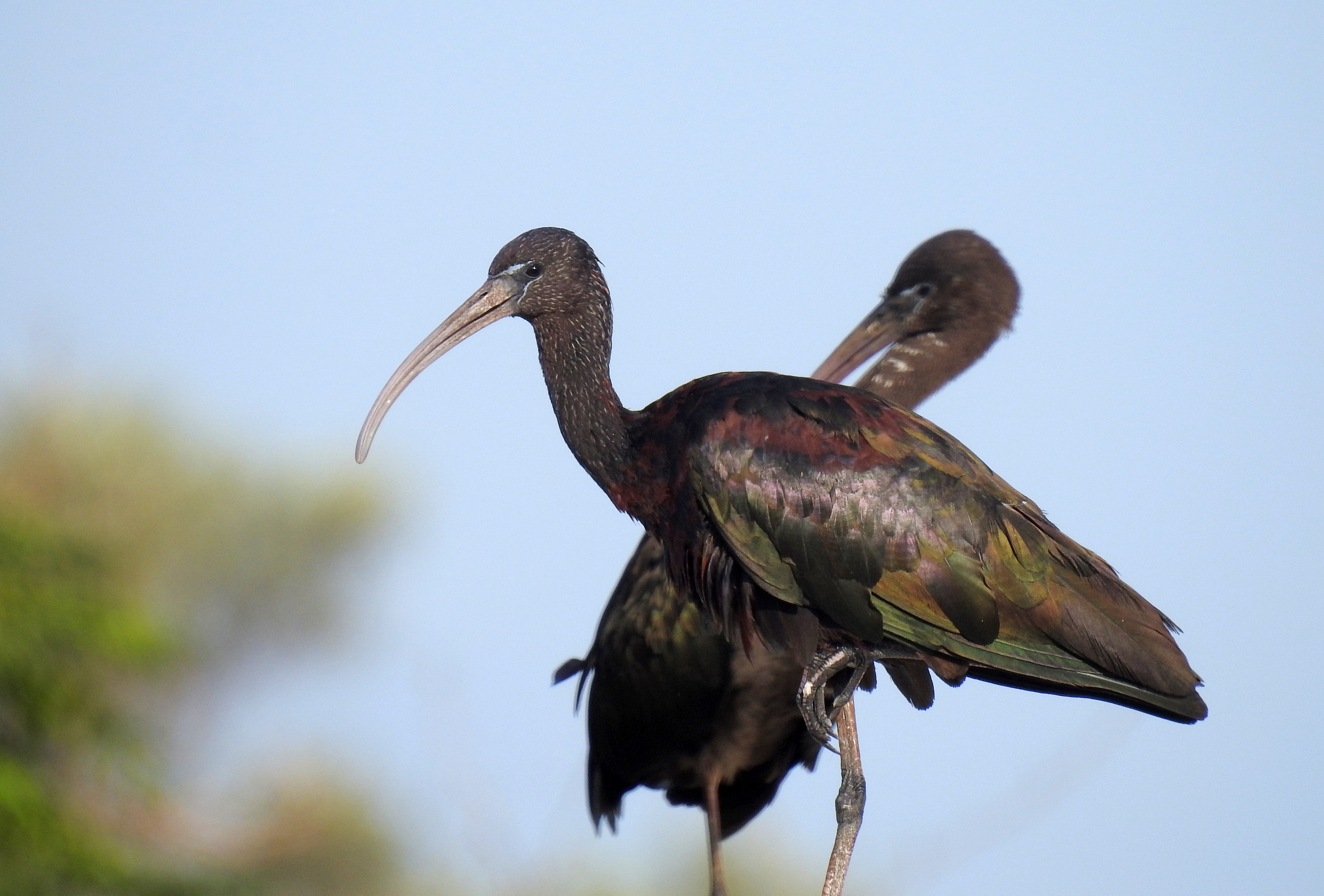
We parked beside the water treatment structure between Elkana and Magen Dan and began our little hike with gusto. As always, there was a particularly unappealing odour that emanated from the semi-processed sewage water but we steeled our resolve and stuck as close to the stream as we could. There were multitudes of glossy ibises and European bee-eaters to keep us company, to say nothing of the many Lycaenidae (or gossamer-winged) butterflies that distracted us plenty.

Glossy ibises

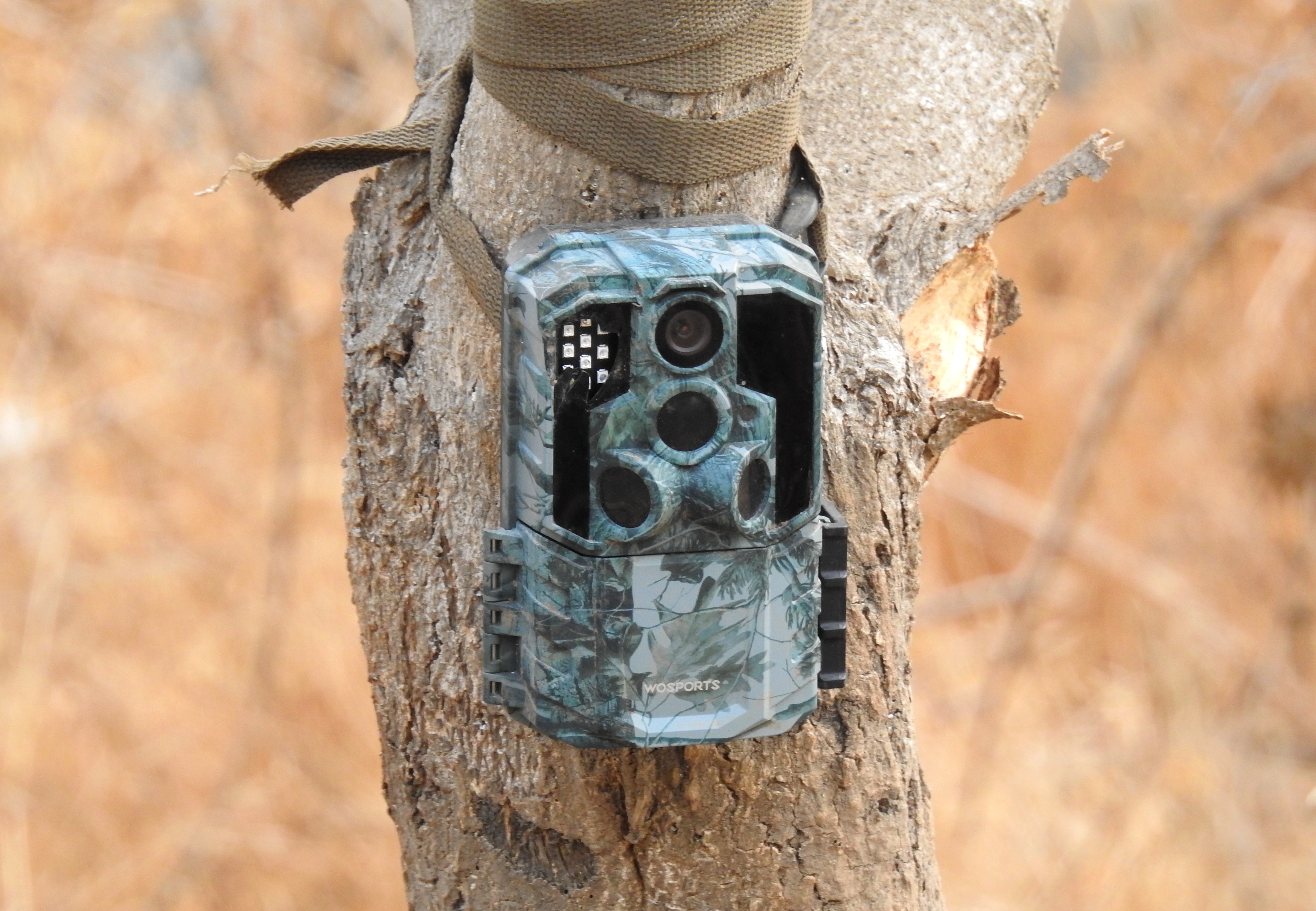
After just a few minutes, we reached the tree which my trail camera was strapped to – a video from the location can be seen HERE. From that point onward, it was new territory for me and I constantly kept my eyes peeled for a suitable location to film from. Over the span of a few months, an impressive eight compilation videos were produced from the nature content gleaned around the fetid stream – clearly the animals don’t mind it! 

Entering my local nature patch

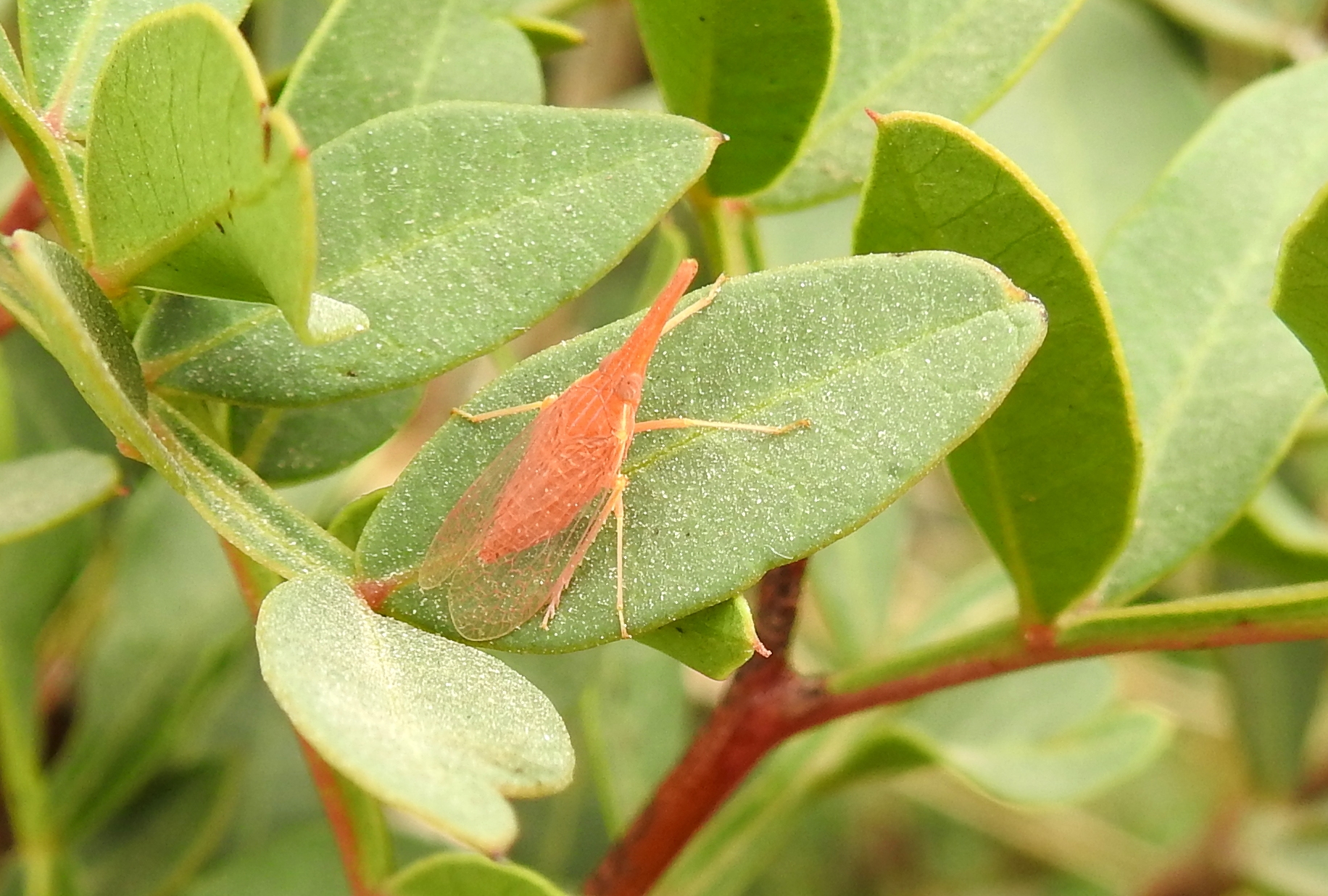
Adam found a very unique-looking leafhopper, one that I had never seen before, identified later as a Dictyophara xiphias. Some chukars were flushed and a short-toed eagle made a rather close appearance as we pushed westward, following the lush streamside. Indeed, while the surrounding area is rocky with intermittent olive trees, the streambed is flush with greenery including oleander, willow and the occasional fig tree.

Cute little leaphopper

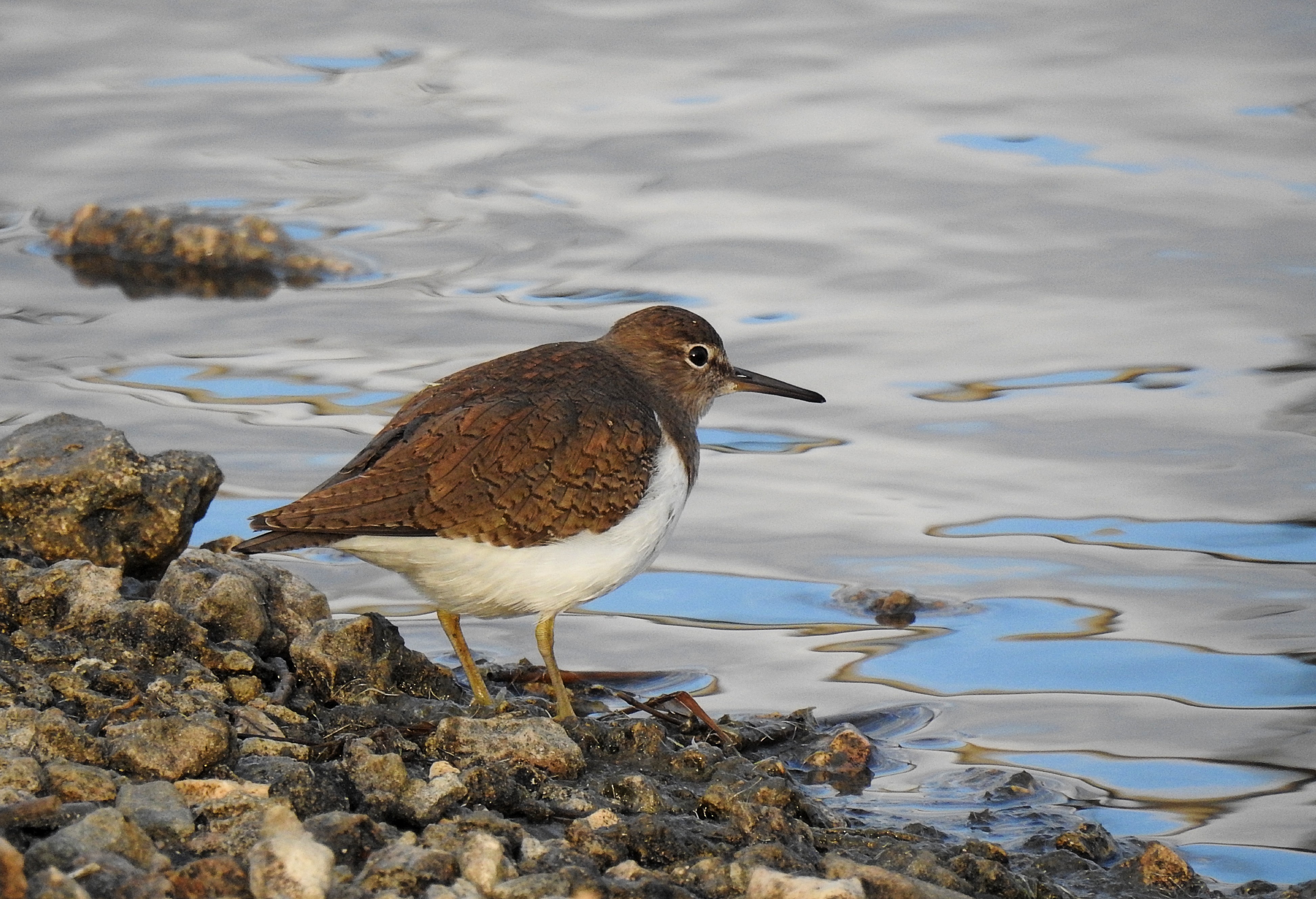
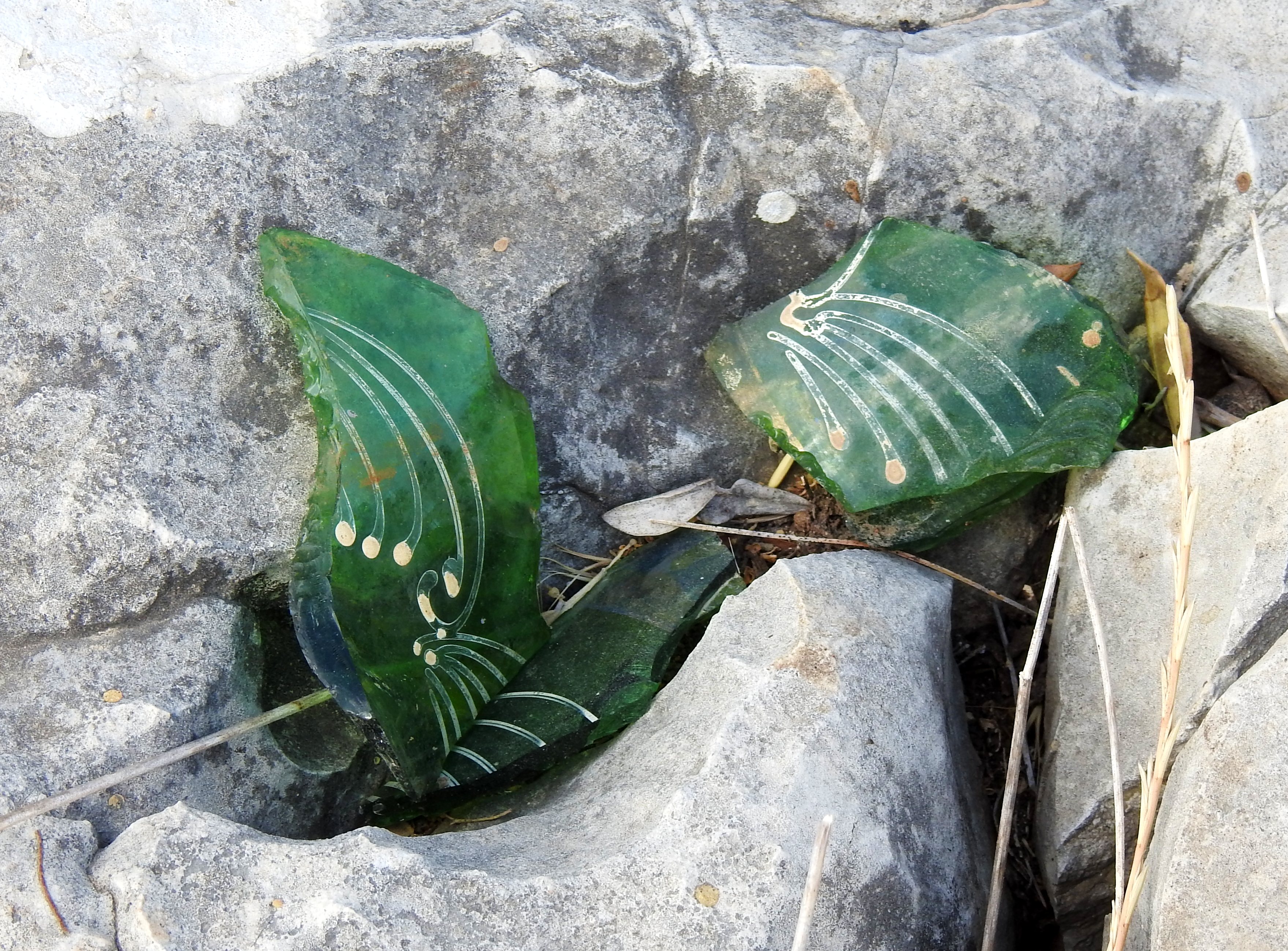
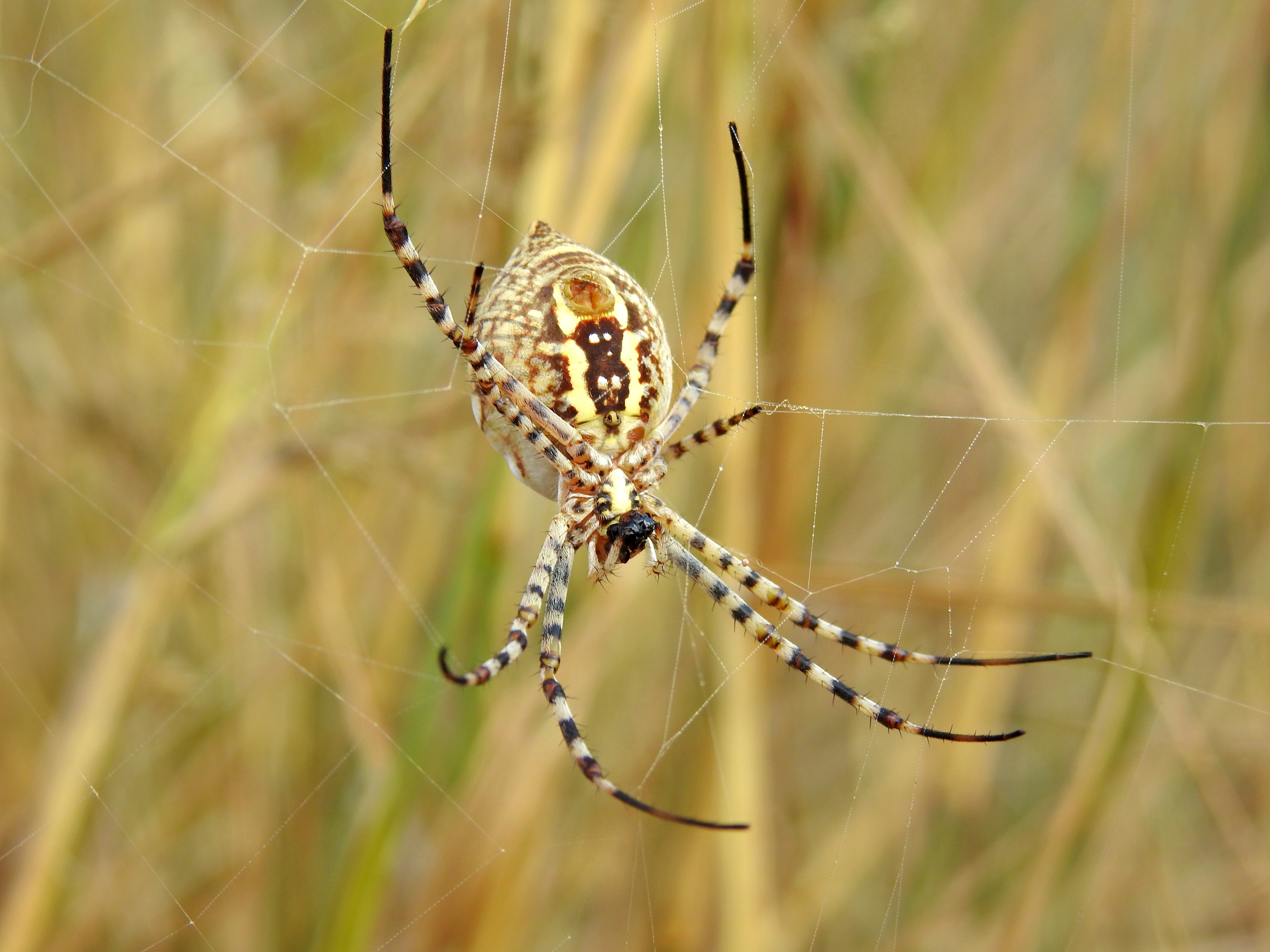
At some point we flushed a green sandpiper, which flew off to a further segment of the stream to then be flushed again – quite incidentally, I assure. As we reached closer to the main road, the 505, the landscape changed a bit. The land became flatter and the grasses were thick and dried by the harsh summer heat. We stumbled upon some interesting painted green glass, perhaps Ottoman, perhaps more modern. A giant argiope spider, waiting patiently in her web, gave us a bit of a shock, but then something even more startling occurred.

Hand-painted glass

There was a large crash in the vegetation beside us as a muscular male mountain gazelle leapt up from his resting place and bolted across the stream in panic. I’ve become accustomed to the gazelles around Elkana but this made me think of the dreaded wild boars which also inhabit the natural area. Loud crashing sounds in foliage is often associated with the imposing boars, probably the local animal I least want to have a run-in with.

Argiope spider lurking beside us

We too crossed over and found some old encampment where some people seem to have stayed. Among the rubbish were some faded food wrappers which were mostly in Arabic, one being a tomato paste produced in or distributed from Hevron (Hebron). Leaving the refuse behind, we began to hike uphill in an easternly direction. There were many fieldstone walls, acting as terraces on the slope, and then something interesting came into sight.

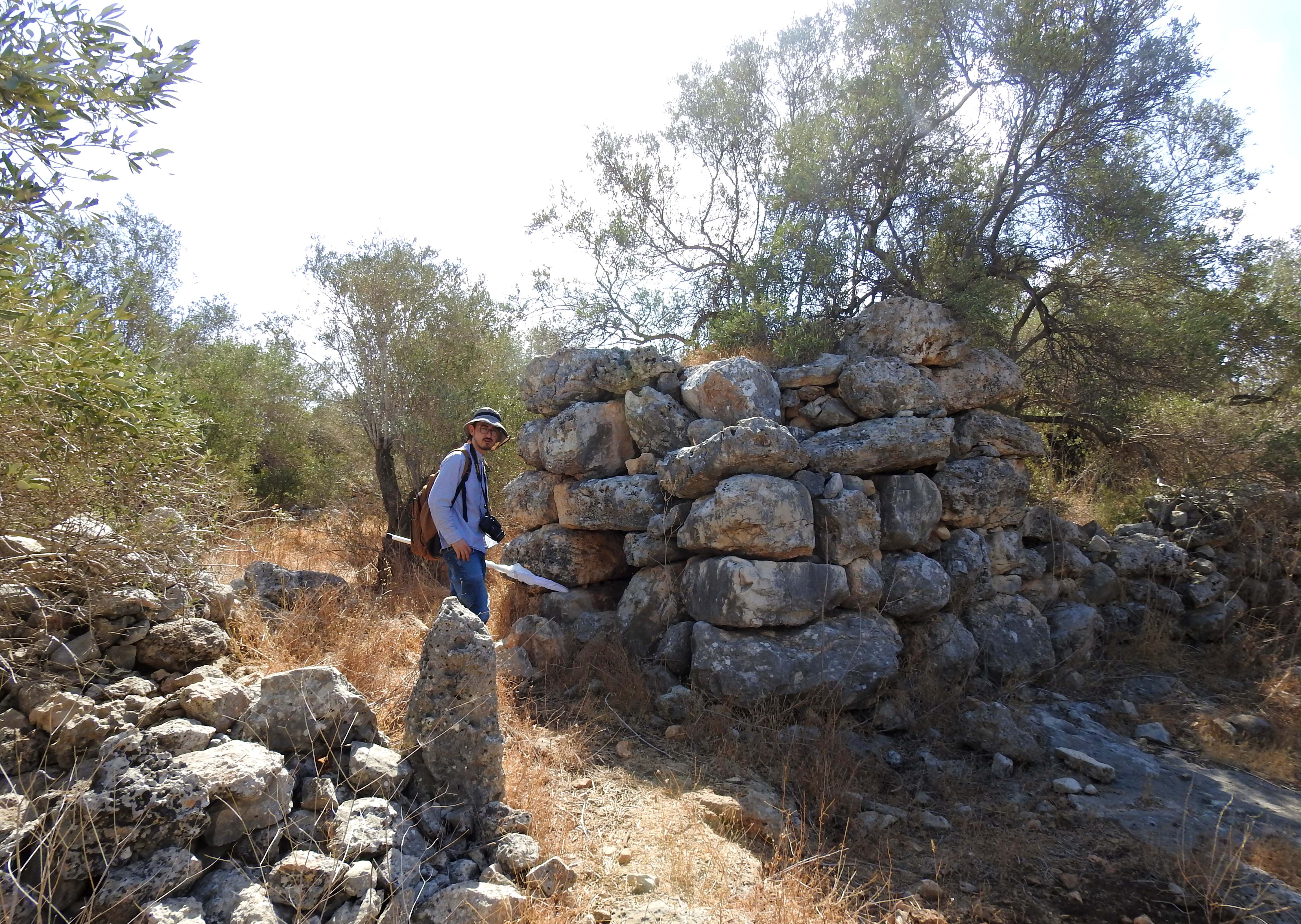
Exploring the shomera-like structure

There was a small stone structure before us, with a very cramped interior, similar to the shomera-style watchtowers that were used to safeguard agricultural resources in days of old. I haven’t seen anything online explaining this particular structure, but some research revealed that we were within the confines of an old village called Sirisia, the ruins of which are referred to as Khirbet Sirisia.

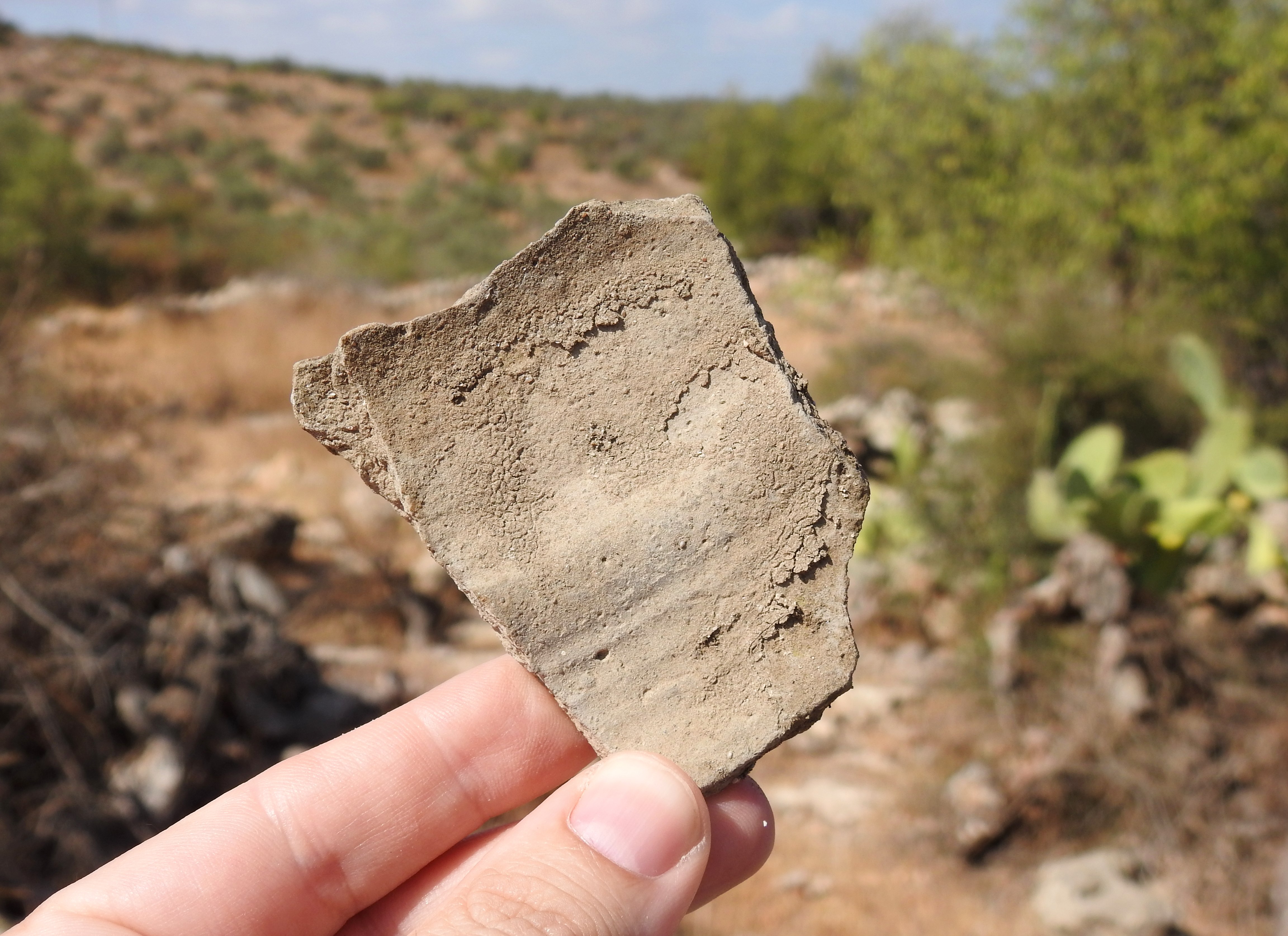
Old potsherd

In fact, in the brief research I did when writing this, I hadn’t managed to find anything about the village’s total timeline of existence; Archaeological reports mention ruins dating to the Roman period and potentially being the Bethsarisa site mentioned by Eusibius in his Onomasticon. The delightful, and ever-useful, Palestine Exploration Fund map from 1880 has the location marked as Khirbet Sirisia (implying ruins) just north of Wady el-Bahûteh.

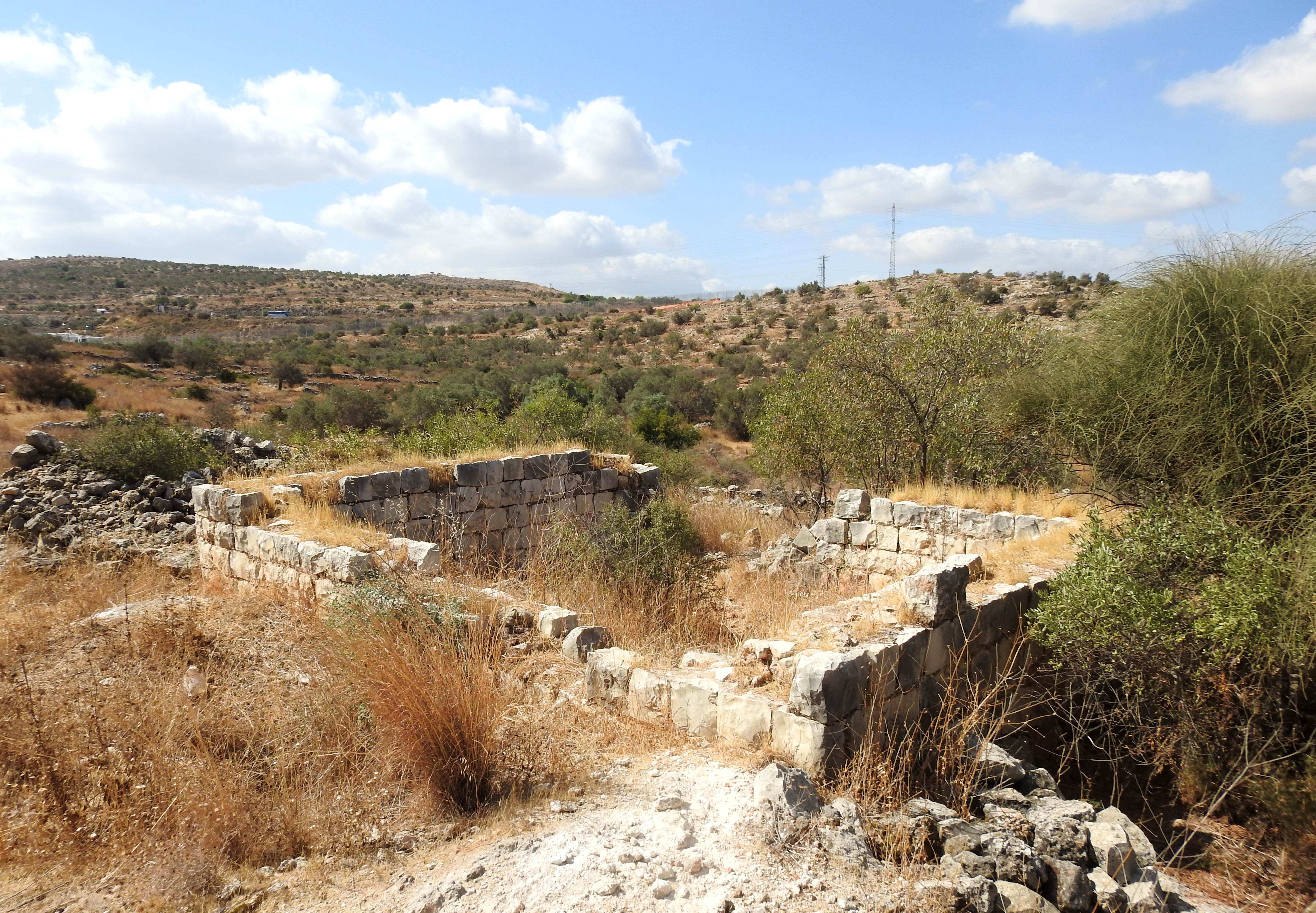
Fine masonry work in Khirbet Sirisia

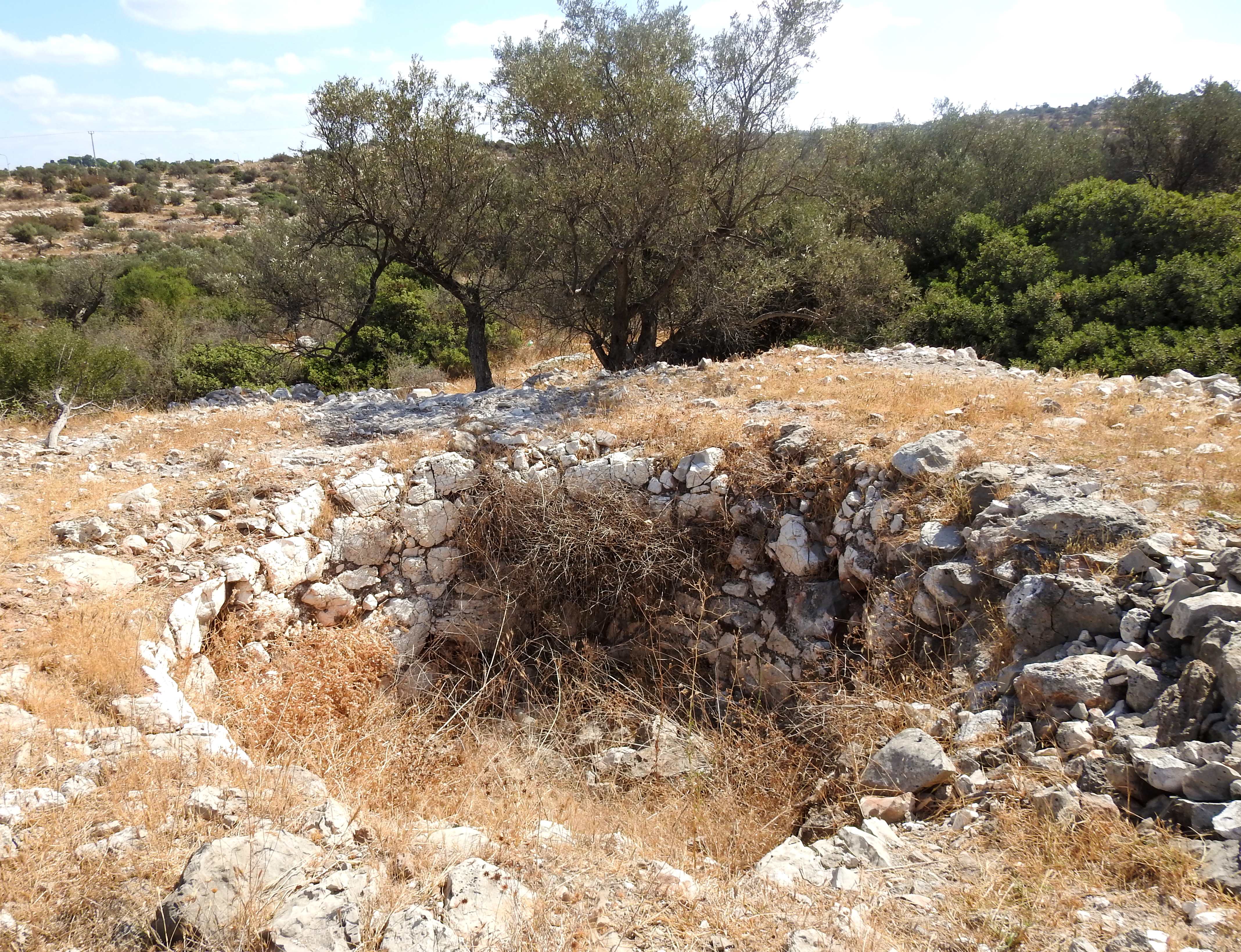
Wandering about the terraced ruins, we found some more architectural remains including one particularly impressive rectangular structure built with ashlars as opposed to fieldstones. Immediately outside the thick walls, we found the mouth of an underground cistern overgrown with vegetation. Gladdened that we didn’t accidentally fall in, we were subsequently more ginger as we stepped about, checking for other cisterns in the area. Our diligence paid off as we found more cisterns and more structures, even an open stretch that felt like an old street running through the village.

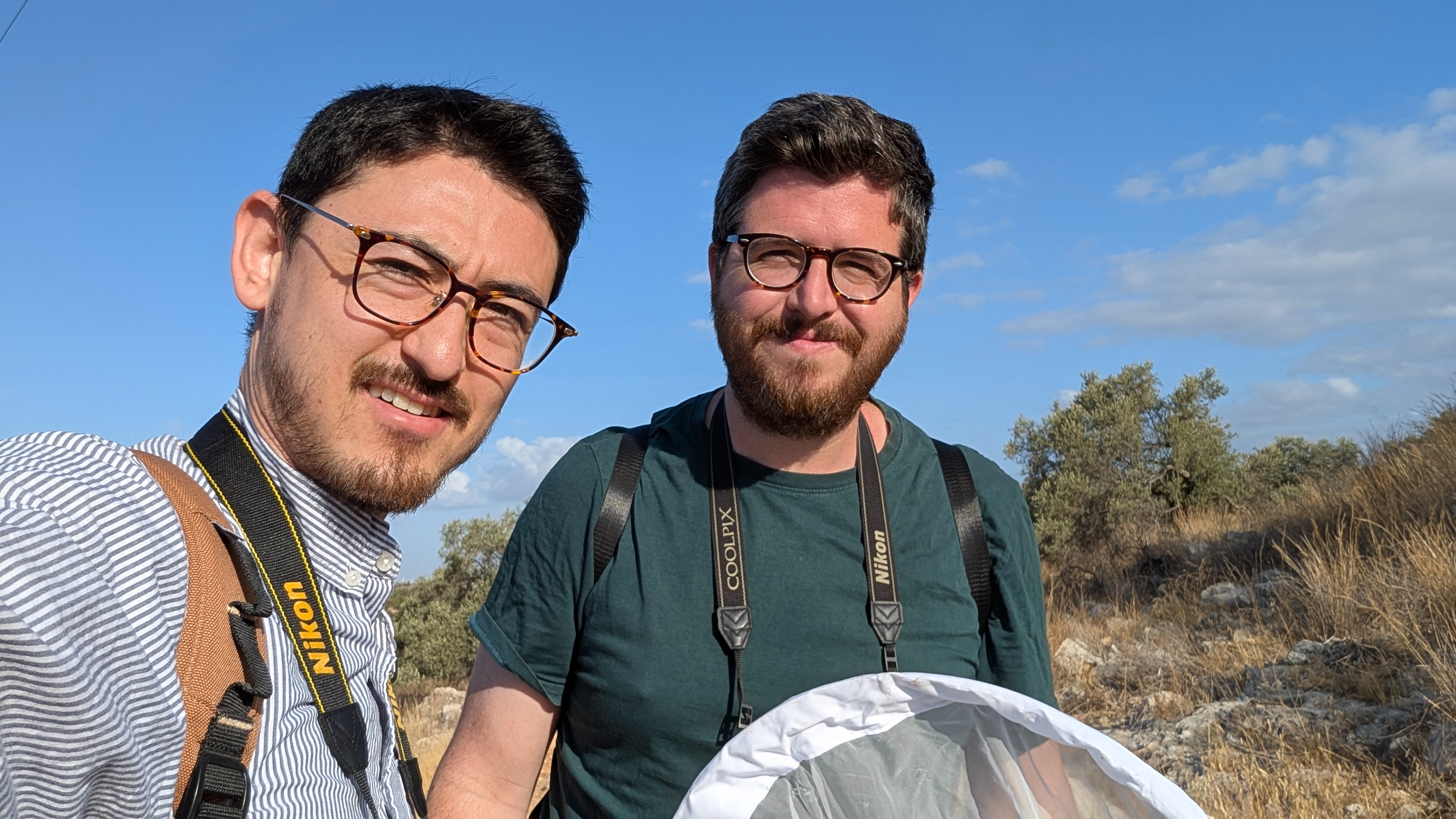
Infrequent explorers (photo Adam Ota)

Eventually, as we were leaving the eastern confines of Khirbet Sirisia, we found a mound that showed up as a patch of white in the satellite imagery we consulted as we traveled. It was an old lime kiln, where white quicklime was burnt out of limestone for a variety of industrial and household purposes. We climbed the mound and gazed into the overgrown interior, trying to conjure up images of a raging fire scorching the rocks in the rudimentary kiln. A relatively common feature around ancient settlements, we had seen many limekilns not too far away outside the Crusader ruins of Mirabel (Migdal Afeq).

Old limekiln

From the ruins we made our way back towards the stream, and merged onto a marked trail that was maintained and easy to hike on. The sun was starting to become oppressive and the animals were slowly becoming more scarce as the temperature climbed. En route, we found another male mountain gazelle, watching us from the opposing slope, and then a sparrowhawk which graciously entertained us in attempts to hunt some nearby birds.

My trusty (yet damaged) trail camera

We reached Adam’s parked car at the water treatment structure and brought our little adventure to a reluctant end. Due to the area’s size, another trip or two will be needed to fully explore the environs, whenever the opportunity arises. Until then, other adventures are forever waiting.

Israel Aquarium

In Israel, Jerusalem on December 31, 2025 at 3:23 PM

At the end of July we took a family trip to Jerusalem, with our main goal to visit the Israel Aquarium. Both the aquarium and the neighbouring Biblical Zoo counterpart have been on our lists for a while, but we rarely make it to Jerusalem ever since Amir was born. As such, we hyped up the trip quite a bit and were rather eager to go. Despite it being summer, we found parking quite easily outside the complex and within minutes we were buying tickets and heading inside. The cheery ticket checker recommended that we start our tour with a visit to the butterfly house and gardens, an unusual addition to an aquatic attraction. 

Israel Aquarium

Passing through the double doors, we were dumbfounded by the size of the butterflies flapping languidly around us. Huge navy and cobalt wings operated in synchrony as the large blue morpho butterflies, native to Central America, fluttered around us. Amir was tempted to try and catch them, but we led by example and observed only. There were a handful of other species as well, flying or resting along the attractive “jungle” path. Overall, the butterfly addendum was an unexpected but welcome addition to our trip itinerary.

Amir in the butterfly gardens

Moving on to the main attraction, we left the butterflies and entered the main building which houses the aquarium. Darkness enveloped us, as did the dozens of other visitors who shared in our experience. Huge fish tanks greeted us as we passed into the first exhibit, filled with countless specimens of wriggly sea creatures all wiggling about in their aquatic environs.

Odd unicornfish

I appreciated how each exhibit followed a particular theme, all focusing on the fishy elements. That first gallery was dedicated to the four “seas” of Israel – the Mediterranean, Red, Dead and the Sea of Galilee – each with its marine life. I was pleasantly surprised to learn about the Dead Sea toothcarp, which can’t live in the intense salinity of the lake itself, but rather lives in the desert streams that feed into the Dead Sea.

Futile attempts at getting a cool picture of the Dead Sea toothcarp

Naturally, much of the fish featured are native to the Mediterranean, so a few of the subsequent exhibits focused on Israel’s western seaboard. There was also an exhibition about fish in the Suez Canal, which has had an ecological impact on the Mediterranean with invasive species swimming over from the Red Sea. Within the darkened halls of illuminated tanks, fish of all varieties, sea horses, a one-armed sea turtle and a pool of rays and guitarfish really fleshed out the collection.

Amir and I examining the ray pool

There were a few aquarium tanks that were designed to look more realistic, matching the habitat’s general appearance with paint and sculpted rocks. The Mediterranean coast tank even featured choppy waters, mimicking the natural movement of the sea. I quite enjoyed this, feeling like I was looking at a living diorama, but ultimately the photographs failed to convey the joyous sensation.

At one with the fish

Speaking of dioramas, there were several exhibits which had special tanks featuring tunnels which allowed visitors to view the fish from the inside. These were naturally very popular with the children, so I had to be quite patient to get a picture of Bracha and Amir posing “underwater” with the fishy friends. The tank’s “actinic” blue lighting takes some getting used to in person, and some efforts to balance out when editing the photos (of which I’m not entirely satisfied by).

My favourites

And then there were sharks! We reached a glass tunnel walkway under a big tank where sharks passed over, swiftly and with the fluidity apt for such apex predators. Amir tried befriending one shark, which appears to be a sand tiger shark, but it swam off without as much as a passing nod. Unfortunately, I didn’t see any signs identifying which shark species were in the large tank, but the marvels of technology today greatly helps.

Amir befriending a shark

Around the corner we found a huge glass panel and stadium seating where people can sit and watch the wildlife as if it was a film in the cinema. We sat for a few minutes and had a bite to eat before continuing on to see some jellyfish. In fact, I was quite surprised at how many jellyfish the aquarium has, all drifting about in their little colourful tanks. Some like the moon jellies and Australian spotted jellyfish certainly made for easy, artsy photography.

Jellyfish galore

I would be amiss if I did not mention the fish-related art installations that decorated the entrance and exit of the aquarium circuit. There was even a little information regarding kashrut and kosher fish, for hungry visitors looking for a cheeky bite to eat in the darkened exhibits.

Someone bit this golden trevally

As we were leaving the building, I noticed that there was a side exhibit dedicated to the suspended skeleton of Sandy, a dead fin whale that washed ashore back in 2021. The huge skeleton, measuring 17.5 metres (57 feet), made the room feel small – and an elevated platform was needed to be able to get a good look at the alien-looking skull bones.

Fin whale skeleton hanging on display

When I climbed back down, we gathered our belongings and made our way out of the aquarium, feeling happy to have seen this long-awaited site. We then drove to get some lunch at one of Jerusalem’s acclaimed pizza shops and then the drive back home to Elkana at the edge of the Shomron.

Qesem Cave Archaeogical Dig

In Central Israel, Israel, Samaria on December 23, 2025 at 8:29 AM

The summer of 2025 turned out to be quite productive in the adventure category, even with an intensive two-week war with Iran disrupting the flow. A mere week after my nature trip with Adam Ota to the Sharon Beach Nature Reserve, I found myself on another adventure, and much closer to home. On one morning’s commute, I happened to notice that excavations were being renewed at the famous Qesem Cave, a groundbreaking archaeological site discovered in 2000 that sheds light on prehistoric life in the Levant. A quick Google search put me in contact with Dr Ella Assaf, director of the excavations on behalf of Tel Aviv University, and arrangements were made for me to join the team as a volunteer one day in mid-July. Thankfully, Qesem Cave is only approximately 7 kilometres from my house, and thus an easy drop-off for Bracha on her way to work.

Qesem Cave excavations

One wouldn’t necessarily expect such an important archaeological site to be flush up against busy Road 5, the main artery connecting the Mercaz (or, Central Israel) with the Shomron (Samaria), yet it is. The cave itself was discovered when roadworks were underway, and that led to the road taking a bit of a turn to avoid the ancient, protected site. Today, the cave is housed in a large steel cage where a small team can toil away comfortably – as long as the honking is kept to a minimum. Entering the complex from the east, I found a small team of archaeologists, students and volunteers working quietly. First, I was directed to Ella who greeted me and gave me a little tour of the site.

Looking down at an excavation shelf

While the term “cave” insinuates an underground cavern, Qesem Cave has been reduced to more of a pit. Construction on Road 5 had torn into the roof and initial chambers of the ancient cave, which had already been filled with soil thousands of years ago. Thus, what exists today is simply the excavated sections of the exposed cave interior, or the remains thereof.

Qesem Cave in 2001 (photo Gopher et al 2005*)

Research had learned that the cave was initially settled during the Lower Paleolithic, the stone tools aligning with the Acheulo-Yabrudian culture complex. Recent academic papers have focused on shaped stone balls being used as tools for smashing bones for marrow consumption – certainly an interesting pursuit. Unfortunately, with my academic interests focused on the medieval period, I frankly know little of prehistory and its culture beyond what I had learned in my BA coursework.

Back in the caves

After the short tour of the small dig site, it was time for some breakfast with the hardworking team. Having a gander at the table of food, I found bread, cheeses, cut vegetables, honey and jams, and some nice little borekas filled with either spinach or eggplant. I made myself a little plate and chatted with the friendly Tel Aviv University students as we feasted in unison. 

Ancient horse tooth scraped out of the earth

When breakfast fizzled out it was time for me to earn my keep. Ella handed me off to a young man who was working on sifting the excavated soil. Since I was volunteering on the last full day of the season, actual digging was kept at a minimum so that all of the finds could be properly processed. This being a prehistoric excavation, with soil that filled the cave so long ago, meant that each scoop of dirt might contain something important for research. So, doing our due diligence, we sifted buckets of dirt and picked our way through the larger pieces, pulling out bone fragments, shards of flint and the occasional tooth that belonged to a horse or similar ungulate species. It was an interesting experience, somewhat reminiscent of the sifting work we had done at the Tel es-Safi excavations in 2017 and 2018.

Time for some sifting and washing

After some time, I was redirected to assist a young woman who was washing stones and bones that had been extracted from the cave. Sitting uncomfortably on the uneven ground, we emptied buckets of dirty rocks into a large sieve and washed them in a bucket of muddied water. Working quickly, we did a preliminary cleaning and laid the stones and bones out to dry on newspapers. Some of the flint rocks were quite beautiful but it was one rock with a pattern of concentric circles that really caught our eye – alas, my geology knowledge is lacking.

Interesting find

Getting up from the artefact washing, we broke into a juicy watermelon – the quintessential summertime archaeological excavation snack. Upon having our fair share of the sweet fruit, I shifted back into a sifting role and enjoyed sitting in a chair once again. That went on for twenty minutes or so, and included a visit by some representatives of the Israel Antiquities Authority, until it was time to start packing up.

Quintessential excavation snack

Ella led a short tour for her diligent team, moving from dig site to dig site within the small cave’s confines and summarising the season’s efforts. With that we gathered up all of the relevant tools and supplies and made our way back to the parked cars along the 5. I nabbed a ride with one of the senior volunteers, who graciously dropped me off at Qesem Junction, where I took a bus back home.

*Gopher, A., Barkai, R., Shimelmitz, R., Khalaly, M., Lemorini, C., Hershkovitz, I. & Stiner, M., 2005, “Qesem Cave: An Amudian Site in Central Israel”, Journal of the Israel Prehistoric Society 35, p. 71.